
Before Afterpay, Sezzle and Shop Pay, there was layaway. Do you remember it?
I worked at my parents’ small-town grocery store throughout high school making $2 an hour, cramming in hours after school and on weekends when I didn’t have sports and other clubs or extracurricular activities. The thing I looked forward to most was what my money was going to buy. First I saved for a sleek black Schwinn 10-speed bike. It was $150, and I rode everywhere and treated it like a baby. It meant so much to me that I had worked for months to pay for an upgrade to the bike my parents had bought me.
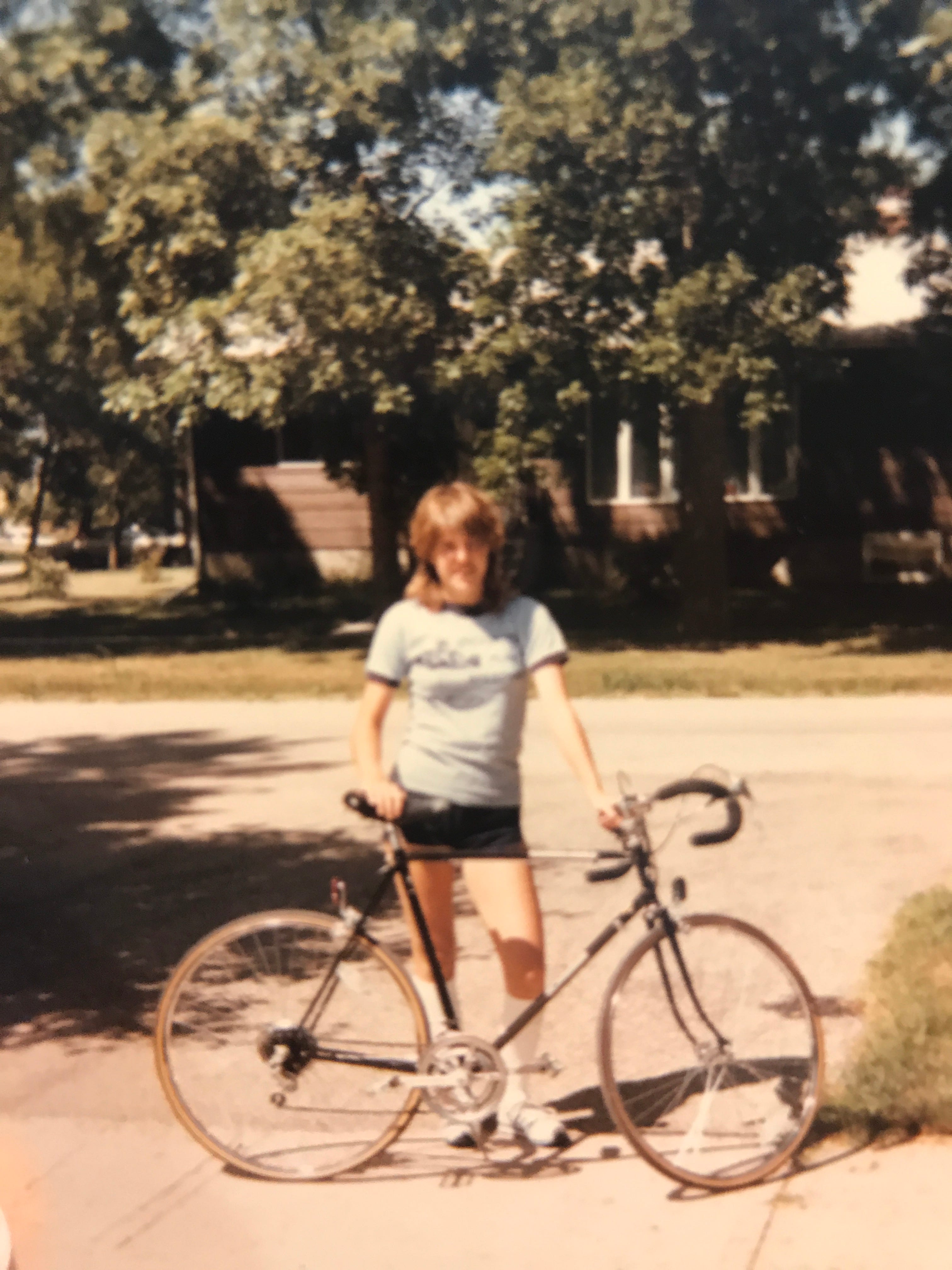
[Before layaway, there was the bike. My $150 sleek black Schwinn, paid for $2 an hour]
But when I found out that the only two clothing stores near me - Vanity and Maurices - had layaway, it unlocked a whole new world.
I was a dreamer. I dreamed of a life beyond the confines of my tiny town in South Dakota. I wanted to wear the clothes I saw in magazines. I wanted to put together the outfits I saw in Footloose and Sixteen Candles. Vanity and Maurices were about as close as I was going to get - and layaway made it possible.
What a concept. I selected the items I wanted, the store totaled them up and I paid for them in installments each week.
It was brilliant. I could shop beyond what I had in my pocket that day - as long as I was willing to work and wait for it. And there was a lot of waiting. Today, we can buy beyond what we have in our bank accounts using credit cards-and we don’t even have to wait.
I loved the feeling of chipping away at the balance until the final payment, when I finally got to take the items home!
I used layaway for my senior picture outfits. I wanted five distinctly different looks, and I found them all at Vanity in Brookings. I put them on layaway and was able to wear them all in my photos. Those pictures meant so much to me. It felt like a true coming-of-age moment.
Maybe it makes perfect sense that I eventually owned a clothing store. Clothes had represented possibility to me long before Clothes Minded ever existed.
Looking back, I think I learned something in all that waiting. I thought about those clothes constantly. I imagined wearing them, planned outfits around them and counted down the payments until they were finally mine.
The anticipation was half the fun.
And here's something else I hadn't thought about until now: I couldn't even look at the clothes while I waited. There were no phones to snap a picture. If I took a photo, it was on a camera with film that had to be developed. So between payments, those clothes mostly existed in my memory. I tried to remember exactly what they looked like and imagined the outfits I'd make when I finally got them home.
And what if you couldn’t make your layaway payments as scheduled? The store would eventually put the items back! I honestly believe the layaway fee was something like $5.00. I could be wrong - it was the 80s - but I know it wasn’t much. The store wasn't charging me 29% interest because I wanted a new outfit. They were basically just holding my clothes while I worked to pay for them.
Maybe what waiting really gave me was time for desire to build. Today, I can want 50 things in a single day and have no desire for any of them the next. Back then, wanting something lasted. It had to.
Today I can see something on Instagram in the morning, order it from my phone before lunch and have it sitting outside my door tomorrow. I don’t have to save for it. I don’t have to visit it at the store. I barely have to think about it.
And maybe that’s part of why we have so much.
The funny thing is, I can still remember that black Schwinn. I can remember those five outfits from Vanity. I can remember the excitement of finally making the last payment and getting to carry my clothes out of the store.
I certainly can’t remember most of the things that showed up on my doorstep last year.
Maybe the $2-an-hour version of me knew something the 57-year-old version of me is trying to learn again:
Give desire time to prove itself.
Sometimes wanting something for a while makes finally having it mean so much more.